

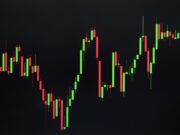



Astera Labs (ALAB): A 35% Pullback Creates an Opportunity in AI Infrastructure
Astera Labs (ALAB) has fallen more than 35% over the past three months, but we think the recent sell-off has created an attractive opportunity to invest in a company playing an increasingly important role in AI infrastructure.
The decline has largely come as investors have pulled back from semiconductor stocks amid concerns about the sustainability of AI-related spending. The iShares Semiconductor ETF (SOXX) has dropped approximately 15% over the same period.
Astera has fallen considerably further, even though the demand drivers behind its business remain compelling.
The company develops semiconductor connectivity solutions that help AI servers and data centers move information efficiently between processors, memory and other components.
As AI computing systems become larger and more complex, the challenge isn’t simply adding more processing power. It’s making sure all those processors can communicate quickly enough to operate efficiently.
That’s where Astera comes in.
Its four primary product lines, Aries, Taurus, Leo and Scorpio, address increasingly demanding requirements for bandwidth, latency, connectivity distance and memory performance.
These products help eliminate bottlenecks that can limit the performance of large AI computing clusters.
We think this gives Astera an attractive position in the AI infrastructure market. As companies invest in increasingly powerful computing systems, the need for high-performance connectivity solutions should continue to grow.
More importantly, Astera has an opportunity to increase the amount of technology it supplies within each system.
Its connectivity products can represent more than $1,000 in semiconductor content per GPU or XPU accelerator, according to BMO Capital Markets.
That figure could continue expanding as new computing platforms introduce additional connectivity requirements.
For Astera, this creates an opportunity to benefit not only from the construction of more AI infrastructure, but also from the increasing complexity of each new generation of systems.
We see that as an important distinction.
Even if the pace of AI infrastructure investment fluctuates, more sophisticated computing architectures could create opportunities for Astera to supply additional components and capture more revenue per deployment.
The company’s growth strategy also extends beyond its existing connectivity products.
Over the longer term, Astera is expanding into optical connectivity, rack-level infrastructure and custom semiconductor solutions.
These markets could become increasingly important as data center operators look for ways to improve performance and efficiency across entire computing systems.
We believe these initiatives give Astera multiple potential sources of future growth rather than leaving it dependent on a single product category.
The recent pullback also makes the stock more interesting from an investment standpoint.
Shares trade around $202, down 35% over the past three months.
While the decline reflects broader concerns about semiconductor valuations and AI spending, we believe Astera’s position in a critical part of the computing infrastructure market gives it a strong opportunity to participate in continued industry investment.
Wall Street also sees considerable upside from current levels.
On November 4, BMO Capital Markets initiated coverage of Astera Labs with an Outperform rating and a $375 price target, implying approximately 68% upside from the stock’s Wednesday closing price.
BMO’s outlook centers on Astera’s role in addressing the connectivity challenges created by increasingly large AI computing clusters, along with its potential to expand its semiconductor content in future systems.
That view is broadly consistent with the current analyst consensus.
According to LSEG data, 24 analysts cover Astera Labs. Of those, 17 rate the stock Buy or Strong Buy, while seven recommend Hold. None currently have an Underperform or Sell rating.
The average analyst price target stands at approximately $349, representing about 56% upside from the November 4 closing price.
Of course, those targets aren’t guarantees, and Astera still faces meaningful risks.
The company’s growth prospects are closely tied to continued investment in AI and cloud infrastructure. If major technology companies slow their spending or investors become less willing to pay premium valuations for semiconductor stocks, shares could remain volatile.
Competition and the successful development of new connectivity technologies will also be important factors in Astera’s long-term performance.
And while the stock has fallen sharply, the supplied information doesn’t establish that shares are inexpensive based on traditional earnings or revenue multiples.
Still, we believe the underlying investment opportunity is compelling.
Astera is addressing a growing challenge in AI computing: moving enormous amounts of data quickly and efficiently across increasingly complex systems.
Its existing Aries, Taurus, Leo and Scorpio product families give it exposure to that demand today, while its expansion into optical connectivity, rack infrastructure and custom semiconductors could provide additional opportunities in the years ahead.
The potential to increase semiconductor content per accelerator is particularly attractive because it gives Astera a way to grow alongside both the size and complexity of AI computing deployments.
At around $202 per share, we’re recommending Astera Labs as a long-term AI infrastructure growth opportunity.